Evaluating “It Takes a Lot of S-parkle to Be a Nurse” for Real Projects
First Impressions: A Design That Speaks Before It Stitches
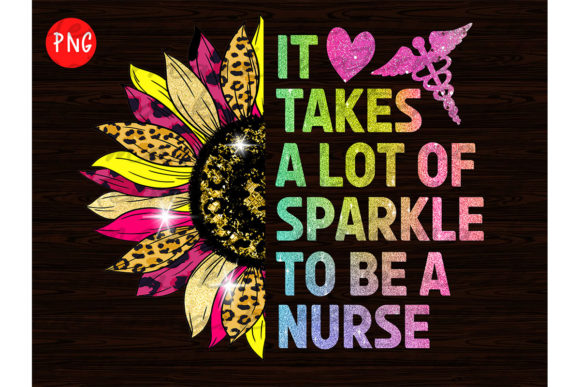
Opening the file for “It Takes a Lot of S-parkle to Be a Nurse,” my first reaction isn't about the technical specs—it’s about the mood it creates. This isn't a sterile, clinical graphic. The playful lettering and the vibrant, leopard-patterned sunflower paired with the stethoscope instantly conveys appreciation with personality. It feels celebratory, a bit bold, and warmly professional. For an embroidery design, this is a strong starting point. It tells a story before the needle even moves, which is crucial when selecting designs for client projects or handmade products. The layout is balanced; the elements aren't crowded, suggesting it will translate well into stitches without losing its visual charm.
The Natural Home for This Design: Where It Shines
I immediately picture this on a custom apparel project. Imagine a nurse receiving a personalized gift—a high-quality cotton sweatshirt with this design embroidered over the heart. The mix of the feminine sunflower and the professional tool creates a perfect, personal tribute. It would also be a standout on a tote bag for a nursing student or a durable patch sewn onto a work bag. For small business owners targeting the healthcare community, this design has immediate appeal for holiday gifts, nurse appreciation week merchandise, or boutique baby items for nurse parents, like a sweetly embroidered blanket.
The design’s bold, colorful nature makes it ideal for products that need to pop. A simple white tea towel or apron with this embroidery becomes a statement piece. It would work beautifully on pillow covers for a home office or nursery decor. In a craft business context, this isn't a generic graphic; it's a niche-specific asset that can elevate a product line, making it feel thoughtful and targeted.
Thinking Through the Stitching: Practical Performance
When considering real-life embroidery, the details matter. The clear PNG file means we have a crisp image to work from, but the real test is how it stitches out. The leopard pattern on the sunflower and the stethoscope details suggest areas of potential density. On a medium-weight fabric like a sweatshirt or tote bag canvas, with proper stabilizer, this should stitch cleanly. However, the small lettering in “S-parkle” requires attention. Running stitch or a fine satin stitch here will be key to maintaining readability, especially on smaller hoop sizes.
For textured fabrics like some blankets, or stretchy fabrics like certain t-shirts, I would advise a test run on scrap material first. The design’s variety—from the floral fill to the instrument outlines—means thread color contrast is vital. On dark fabric backgrounds, you’ll need to plan your thread palette carefully to keep the sunflower vibrant and the stethoscope defined. This design would likely benefit from being positioned on a relatively flat, stable area of a garment. Curved surfaces like caps might distort some of the finer details unless the design is expertly adapted.
Where Caution is Needed: Avoiding Stitching Pitfalls
This is a design best suited for projects where you can give it space. On very small items, like baby socks or tiny patches, the detail level might get lost, reducing its impact. The intricate leopard print within the sunflower, while visually delightful, could become overly dense if not managed with stitch settings, potentially leading to stiffness on thin fabrics like certain baby clothes.
For products destined for frequent washing—like kitchen towels or everyday apparel—ensuring the stitch density is appropriate and using quality threads will protect the design’s longevity and maintain customer trust in your handmade product. It’s also wise to check how the design looks in a simple black and white mockup; this helps verify that the silhouette and core elements are strong even without color, which speaks to its foundational clarity.
Impact on Your Business and Craft
From a commercial embroidery or craft business perspective, “It Takes a Lot of S-parkle to Be a Nurse” adds value. It’s a recognizable, theme-specific design that can enhance your brand’s consistency if you cater to the healthcare or gratitude-themed niche. For Etsy sellers or digital product sellers, it’s a graphic that lends itself well to printable mockups, showing customers exactly how it could look on a finished product. This boosts buyer engagement.
The design’s giftability is high. It feels personal and professional, which is a winning combination for a handmade presentation. It avoids being overly generic, which helps your products stand out at a craft fair or in a small shop. However, always confirm the licensing terms for this downloadable PNG file before selling finished items or incorporating it into commercial embroidery projects. Understanding whether it’s for personal use, commercial use, or both is a fundamental step for any creative entrepreneur.
Final Designer Notes: Preparing for a Successful Project
My practical advice before hooping your fabric: test it. Stitch it out on a scrap of the actual fabric you intend to use. Check the stitch density, especially in the sunflower center and the stethoscope tubing. Review the hoop size needed to accommodate the entire design without cramping the layout. Inspect the small details in the lettering after stitching—are they clear and intact?
Compare how it looks on both a light and a dark fabric background in your software preview. This will inform your thread color choices. Use the appropriate stabilizer for your chosen fabric type; this design deserves a clean finish. Remember, as a graphics file in the Crafts category, its success on a physical product depends entirely on your embroidery execution. Treat it as a blueprint for a beautiful, spark-filled tribute, and it will repay you with a finished product that feels both crafted and heartfelt.