Nurse Embroidery Design: Trauma Over Drama
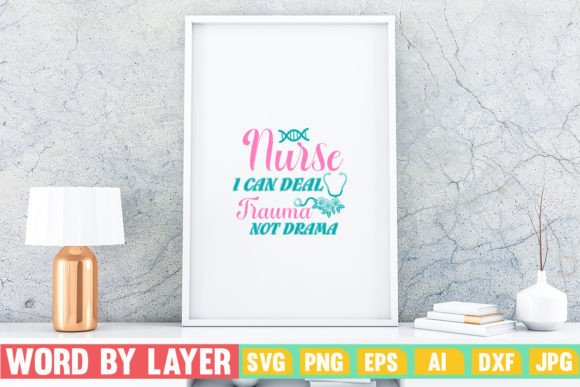
When I first opened the “Nurse I Can Deal Trauma Not Drama” file, my immediate reaction was a smile. It’s a design with personality. The bold, playful statement set within a classic badge or shield-like shape creates a mood that’s both professional and cheeky—a perfect blend for the nursing community. It feels celebratory and resilient, a visual nod to the real-world grit and humor that defines so many in the profession. As a graphic for embroidery, its clean, layered layout promises good stitching clarity, which is the first box I always need to check.
Where This Design Finds Its Home
This isn’t a generic graphic; it has a specific audience and energy. That means choosing the right project is key to maximizing its impact. In my practice, I’d instinctively lean towards personalized gifts and custom apparel for nurses—think a high-quality, cozy sweatshirt or a sturdy tote bag for a nurse finishing a tough program or a seasoned professional who deserves a laugh. The design carries enough weight to feel substantial on a larger canvas like a hoodie back, but its composition also scales down nicely for a cap or a patch.
Imagine a scenario: a client requests a custom gift for their sister, a nurse manager. They want something unique, not a standard hospital logo. This embroidery design becomes the perfect solution. Stitched onto a premium cotton apron for her home kitchen, or onto a soft blanket for her break room, it transforms a simple item into a meaningful, conversation-starting piece. For small business owners crafting merchandise for the medical community—Etsy sellers offering “nurse life” products, boutique shops selling inspirational apparel—this graphic is a ready-made asset that resonates with a tight-knit, appreciative audience.
Navigating the Stitching Terrain: Practical Considerations
Moving from the digital file to the actual embroidery project requires some practical thinking. The design appears to have distinct layers and lettering, which is excellent for color separation and stitch definition. However, the phrase “I Can Deal Trauma Not Drama” contains relatively small lettering. On textured fabrics like some sweater knits, or on very small hoop sizes, those details could lose clarity if the stitch density isn’t managed well. Always, always test on scrap fabric first, mimicking the final fabric texture.
For dark fabrics, the choice of thread colors becomes critical to maintain the badge’s visual pop and the text’s readability. A white or light-colored stabilizer is a must here. While the design looks suited for satin stitches for borders and fill stitches for interior areas, I advise checking the actual stitch types in your machine embroidery software after converting the file. On curved surfaces like caps, the badge shape should adapt well, but be mindful of any very dense stitch areas at the corners which might pucker on a curved seam.
Products that need frequent washing, like kitchen towels or everyday t-shirts, demand a robust embroidery execution. Ensure you’re using quality thread and adequate stabilizer to prevent premature wear on those smaller text stitches. This attention to craftsmanship directly affects customer trust and the perceived value of your handmade product.
Visual Appeal and Professional Presence
A well-embroidered version of this design boosts visual appeal through its clear thematic confidence. It speaks directly to its audience, creating instant recognition and engagement. For a creative entrepreneur, using it on a consistent line of products—say, a series of embroidered pillow covers and tea towels for a “Medical Professional Home Comfort” line—builds brand consistency. The design’s inherent giftability is high; it feels personal and specific.
From a commercial embroidery standpoint, whether you’re running a small shop or fulfilling client projects, this graphic provides a ready-to-use asset. Its strength is in its clear messaging. However, a crucial step is confirming the licensing terms for the digital file before selling finished items. The product description indicates it’s a digital download of cutting files, so as an embroidery designer, you’ll need to verify its suitability for machine embroidery conversion and the terms for commercial use of the stitched end products.
The Designer’s Final Checklist Before Hooping
My workflow for a design like “Nurse I Can Deal Trauma Not Drama” always ends with a quick mental checklist. Test it on both light and dark fabric scraps to finalize thread palettes. Check the stitch density, especially in the text, to ensure it’s not too sparse or too bulky for your chosen fabric. Inspect the small details in a black-and-white mockup to confirm contrast holds up. Confirm your hoop size can accommodate the design with enough margin for clean stitching. Use the proper stabilizer for your fabric—don’t skip this step.
Finally, consider the project’s end use. Is it a one-off personalized gift, or part of a small business merchandise line? That decision might influence your choice of fabric and thread quality. For a boutique product, like a linen pillow cover, investing in higher-end threads makes the embroidery shine and supports a premium price point. For a fun holiday gift like an embroidered cap, focus on durability and comfort.
This embroidery design, with its witty, resilient voice, offers a solid foundation for a range of projects. By approaching it with this practical, real-world lens, you can translate a digital graphic into a beautifully stitched finished product that truly honors the sentiment it carries.