Practical Review: The Medical Bag Cartoon for Embroidery
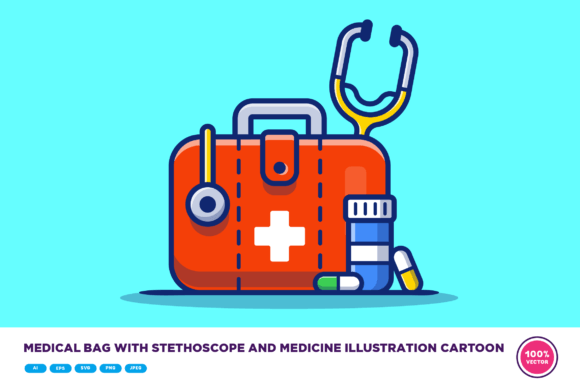
Let’s talk about the Medical Bag with Stethoscope Cartoon. This isn’t just a cute graphic; it’s a potential embroidery design waiting to be translated into thread and fabric. My first impression? It’s cheerful and approachable. The flat cartoon style gives it a friendly, modern feel that’s perfect for projects where you want to convey care and warmth rather than sterile professionalism. The layout is simple, with the bag, stethoscope, jar, and pills arranged in a way that feels balanced and easy to trace for stitching.
Where This Design Finds Its Home in Real Projects
Imagine you’re preparing a custom embroidered tote bag for a nurse graduating from her program. This design nails the tone. It’s celebratory and personal. I can easily see it on the front of a canvas tote, stitched in bright, clean colors. It would also be a fantastic choice for a baby’s blanket or sweater for a pediatrician’s family—that cartoon vibe is inherently gentle and kid-friendly. For small businesses, like an Etsy shop selling personalized aprons for medical students or tea towels for a clinic’s kitchen, this design adds a handmade touch that generic logos lack.
As an embroidered patch, it would be incredibly versatile. It could be applied to a cap for a hospital volunteer or ironed onto a duffel bag. The relatively simple shapes mean it won’t become a dense, stiff patch uncomfortable on caps or curved surfaces. For holiday gifts or wedding gifts for someone in the healthcare field, stitching this onto a pillow cover creates a thoughtful, lasting keepsake.
Navigating the Stitching: Practical Considerations
In real-life embroidery project execution, the clarity of the shapes is a major advantage. The bag outline, the stethoscope curves, and the pill dots are distinct. This means when translated into satin stitch for borders or fill stitch for the main elements, the design should maintain good definition. However, the small details—like the tiny pills and the lines on the jar—require attention. On very small hoop sizes, these might lose clarity unless you adjust stitch density or even simplify slightly for clarity.
I would strongly advise testing this embroidery file on scrap fabric first, particularly if you plan to use it on textured fabrics like sweaters or on thin, stretchy fabrics for t-shirts. The fill areas, like the medical bag itself, need proper stabilizer to prevent puckering. On dark fabric backgrounds, you’ll need to think carefully about thread color contrast; the original cartoon style likely uses light colors, so adapting the palette for a dark navy sweatshirt is crucial for visual appeal.
When to Use This Design With Care
While versatile, there are scenarios where I’d proceed cautiously. The design’s charm is in its clean lines, so on highly textured fabrics like some blankets, the finer details might get lost. For products that need frequent washing, like kitchen towels or kids’ apparel, consider simplifying the smallest elements (the pills) to ensure the stitching withstands wear without fraying. Also, if you’re considering it for very dense machine embroidery on a small area, the jar and stethoscope overlapping the bag could create a thick stitch buildup in that corner. Checking stitch density in your software before running the final project is a must.
For commercial embroidery projects, like a series of tote bags for a small clinic’s branding, this design offers a consistent, repeatable image that builds brand consistency. It feels professional yet handmade, which can boost customer trust and engagement for a craft business. Its giftability is high—it’s instantly recognizable and emotionally resonant for the right recipient.
The Designer’s Notebook: Essential Pre-Stitch Checks
Before you commit this to a final product, here’s my routine. First, always test the design on the actual fabric type you’re using. Second, run it through both light and dark background printable mockups to visualize the final product. This helps tremendously with sales, especially for Etsy sellers creating digital product previews. Third, inspect the small details in your embroidery software. Are the pills clearly defined as separate objects? This affects thread breaks and stitching order.
Confirm the licensing for this digital embroidery file before selling finished items or incorporating it into your small shop product line. Since it’s categorized under Crafts and Graphics, understanding its use for personal and commercial projects is key. Finally, consider thread colors. The cartoon style suggests a flat color palette, but in embroidery, you might add subtle shading or use vibrant threads to elevate the handmade presentation.
In the end, the Medical Bag with Stethoscope Cartoon is more than an illustration; it’s a conduit for a meaningful, stitched product. Its value lies in its emotional tone and clear composition, making it a reliable choice for hobbyists creating a personalized gift and for entrepreneurs building a line of craft business items. It won’t suit every project—very miniature embroidery or highly technical fabrics might challenge it—but for the vast majority of applications where a warm, healthcare-themed design is needed, it stitches up into something special.